

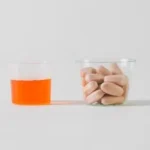


Teenage years are often marked by significant stress and anxiety – academic pressures, social challenges, hormonal changes, and future uncertainties all contribute. While therapy and lifestyle adjustments (sleep, diet, exercise) are foundational, certain supplements may offer additional support. Important Disclaimer: Always consult a pediatrician or qualified healthcare professional before starting any new supplement regimen, especially for teens. Supplements aren’t a replacement for professional help.
Understanding Teen Stress & Anxiety
Before diving into supplements, it’s crucial to recognize the signs of stress and anxiety in teens. These can include:
- Persistent worry or fear
- Difficulty concentrating
- Irritability or restlessness
- Sleep disturbances
- Changes in appetite
- Physical symptoms like headaches or stomachaches
- Social withdrawal
Top Supplements to Consider (with caution!)
Magnesium
Why it helps: Magnesium plays a vital role in nerve function and regulating the body’s stress response. Deficiency is common and can exacerbate anxiety.
Dosage: 200-400mg daily (Magnesium Glycinate is often well-tolerated).
Caution: Can cause digestive upset in some.
L-Theanine
Why it helps: An amino acid found in green tea, L-Theanine promotes relaxation without drowsiness. It increases alpha brain waves, associated with a calm, focused state.
Dosage: 100-200mg daily.
Caution: Generally safe, but monitor for any interactions with medications.
Omega-3 Fatty Acids
Why it helps: Essential for brain health, Omega-3s (EPA & DHA) have been linked to improved mood and reduced anxiety symptoms.
Dosage: 500-1000mg daily (combined EPA & DHA).
Caution: May interact with blood thinners.
Vitamin D
Why it helps: Vitamin D deficiency is linked to mood disorders. Many teens are deficient, especially during winter months.
Dosage: Based on blood test results – typically 600-2000 IU daily.
Caution: Excessive Vitamin D can be harmful; testing is crucial.
B-Complex Vitamins
Why it helps: B vitamins are essential for nerve function and energy production. Stress depletes B vitamins.
Dosage: Follow product label instructions.
Caution: Some B vitamins can cause nausea if taken on an empty stomach.
Supplements to Approach with Extra Caution
- Melatonin: While helpful for sleep, long-term use isn’t well-studied in teens.
- St. John’s Wort: Can interact with many medications; avoid unless specifically recommended by a doctor.
- Kava: Potential liver toxicity; not recommended for teens.
Lifestyle First!
Remember, supplements are additions to a healthy lifestyle, not replacements. Prioritize:
- Sufficient Sleep: 8-10 hours per night.
- Healthy Diet: Focus on whole foods.
- Regular Exercise: At least 60 minutes of physical activity daily.
- Stress Management Techniques: Mindfulness, deep breathing, yoga.
- Social Connection: Spending time with supportive friends and family.