

Healthy‚ vibrant hair is often seen as a sign of overall well-being. While a balanced diet is fundamental‚ sometimes our bodies need extra support. This article explores the world of hair supplements‚ detailing key ingredients‚ benefits‚ and considerations for achieving your hair goals. We’ll cover what to look for‚ potential side effects‚ and how to determine if supplements are right for you.
Why Consider Hair Supplements?
Several factors can contribute to hair loss or poor hair health‚ including:
- Stress: Chronic stress can disrupt hair growth cycles.
- Dietary Deficiencies: Lack of essential vitamins and minerals.
- Age: Hair naturally thins with age.
- Genetics: Hereditary factors play a significant role.
- Medical Conditions: Certain illnesses can impact hair health.
Supplements aim to address these underlying issues by providing concentrated nutrients that support hair follicles and promote growth. However‚ they aren’t a magic bullet; a holistic approach is crucial.
Key Ingredients to Look For
Biotin (Vitamin B7)
Perhaps the most well-known hair supplement ingredient‚ Biotin helps the body convert food into energy. While severe biotin deficiency is rare‚ supplementation can benefit those with deficiencies‚ potentially improving hair strength and reducing breakage.
Collagen
Collagen is a protein that provides amino acids for building keratin‚ the main structural component of hair. Supplementing with collagen may improve hair elasticity and thickness.
Vitamin D
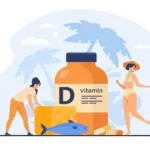
Vitamin D plays a role in hair follicle cycling. Low Vitamin D levels have been linked to hair loss. Getting enough Vitamin D‚ through sunlight or supplementation‚ is important.
Iron
Iron deficiency‚ particularly in women‚ is a common cause of hair loss. Iron helps red blood cells carry oxygen to hair follicles.
Zinc
Zinc is essential for tissue growth and repair‚ including hair. It also helps keep the oil glands around follicles working properly.
Vitamin C
Vitamin C is an antioxidant that protects against free radical damage‚ which can contribute to hair aging. It also aids in iron absorption.
Omega-3 Fatty Acids
These healthy fats nourish hair follicles and promote scalp health‚ potentially leading to shinier‚ healthier hair.
Types of Hair Supplements
- Multivitamins: Offer a broad spectrum of nutrients.
- Specific Formula Supplements: Target specific concerns like hair growth or thickness.
- Gummy Vitamins: A palatable option‚ but may contain added sugar.
- Capsules/Tablets: Common and generally effective.
- Powders: Can be mixed into smoothies or drinks.
Potential Side Effects & Precautions
While generally safe‚ hair supplements can have side effects:
- Digestive Issues: Some ingredients can cause stomach upset.
- Skin Reactions: Rarely‚ allergic reactions can occur.
- Interactions with Medications: Consult your doctor if you’re taking any medications.
- Excessive Intake: Too much of certain vitamins (like Vitamin A) can be harmful.
Important: Always consult with a healthcare professional before starting any new supplement regimen‚ especially if you have underlying health conditions.
Are Hair Supplements Right for You?
Supplements are most effective when addressing a specific nutritional deficiency; A blood test can help identify any deficiencies. If you eat a balanced diet and don’t have any underlying health issues‚ supplements may not be necessary. Focus on a healthy lifestyle‚ including a nutritious diet‚ stress management‚ and gentle hair care practices.