



Menopause brings significant hormonal shifts, particularly a decline in estrogen. This can exacerbate or trigger joint pain for many women; While hormone replacement therapy (HRT) is an option, many seek complementary approaches like supplements. Here’s a detailed look at the best supplements to consider, backed by research.
Understanding the Connection
Estrogen plays a protective role in joint health. It helps maintain cartilage, reduces inflammation, and supports bone density. As estrogen levels drop during menopause, these protective effects diminish, leading to increased joint pain, stiffness, and a higher risk of osteoarthritis. Supplements can help address these changes.
Top Supplements for Joint Pain Relief
Glucosamine & Chondroitin
What it is: Glucosamine is a natural compound found in cartilage, while chondroitin helps cartilage retain water.
How it helps: They may reduce pain and improve joint function, particularly in osteoarthritis. Some studies show better results with combined use.
Dosage: 1500mg glucosamine sulfate & 1200mg chondroitin sulfate daily.
Omega-3 Fatty Acids
What it is: Essential fats found in fish oil, flaxseed oil, and chia seeds.
How it helps: Powerful anti-inflammatory properties. Reduce joint inflammation and pain. EPA and DHA (types of omega-3s) are particularly beneficial.
Dosage: 2-3 grams of combined EPA and DHA daily.
Vitamin D
What it is: A fat-soluble vitamin crucial for bone health and immune function.
How it helps: Vitamin D deficiency is common in menopause and linked to increased joint pain. Supports bone density and reduces inflammation.
Dosage: 2000-4000 IU daily, based on blood tests to determine deficiency.
Calcium
What it is: Essential mineral for bone health.
How it helps: Menopause increases the risk of osteoporosis. Calcium, alongside Vitamin D, helps maintain bone density and reduce joint stress.
Dosage: 1000-1200mg daily, divided doses.
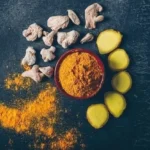
Turmeric/Curcumin
What it is: A spice containing curcumin, a potent anti-inflammatory compound.
How it helps: Curcumin can reduce joint pain and inflammation, comparable to some NSAIDs. Look for formulations with piperine (black pepper extract) for better absorption.
Dosage: 500-2000mg of curcumin daily.
MSM (Methylsulfonylmethane)
What it is: A sulfur-containing compound.
How it helps: May reduce joint pain and inflammation, improve flexibility, and support cartilage health.
Dosage: 1500-3000mg daily.
Important Considerations
- Talk to your doctor: Before starting any new supplement, discuss it with your healthcare provider, especially if you have existing medical conditions or are taking medications.
- Quality matters: Choose supplements from reputable brands that undergo third-party testing for purity and potency.
- Be patient: Supplements often take several weeks or months to show noticeable effects.
- Lifestyle factors: Supplements are most effective when combined with a healthy diet, regular exercise, and weight management.